NYSCA + CTChiro
2027 SPRING CONVENTION
EDUCATION • CONNECTION • A STRONGER PROFESSION
April 2-4, 2027
Mohegan Sun
Uncasville CT
Up to 16 Continuing Education Credits • 2 Full Course Tracks
Three days of practical education, professional connection, and resources for New York and Connecticut Chiropractors
EARLY-BIRD REGISTRATION ENDS
Day(s)
:
Hour(s)
:
Minute(s)
:
Second(s)
HOTEL & TRAVEL
WEEKEND AT A GLANCE
SPEAKERS
COURSE SCHEDULE
CE & POLICIES
WHY ATTEND?
PRACTICAL EDUCATION
Relevant, evidence-informed topics to apply in your practice right away
MEANINGFUL CONNECTIONS
Reconnect with colleagues, meet new peers, and grow your professional network
A STRONGER PROFESSION
Stay informed, get inspired, and help advance chiropractic in New York and Connecticut
A PREMIER DESTINATION
Combine learning with an unforgettable experience at Mohegan Sun
REGISTRATION & PRICING
NYSCA/CTChiro Member
$269
early registration*
Nonmember
$419
early registration*
*add $50 after 01/08/27 for standard pricing
*add $100 after 03/19/27 for at the door pricing
STAY AT MOHEGAN SUN

Mohegan Sun Casino & Resort
1 Mohegan Sun Dr, Uncasville CT
Rooms are available at a convention rate of $289 for Friday night and $349 for Saturday night, plus applicable taxes and facility fees.
The hotel reservation link is available after you register for the convention. Log in to your NYSCA account, open your convention registration, and click the Handouts button to access the link.
Group-rate deadline: March 11, 2027
WEEKEND AT A GLANCE
FRIDAY, APRIL 2
- 1:15pm-2:00pm - Registration Open
- 2:00pm-6:00pm - Classes (4CE)
- 6:00pm-7:00pm - Welcome Reception
SATURDAY, APRIL 3
- 7:15a-8:00am - Registration Open
- 8:00am-12:00pm - Classes (4CE)
- 12:00pm-1:15pm - Banquet Luncheon
- 1:15pm-2pm - Membership Meetings
- 2:00pm-6:00pm - Classes (4CE)
SUNDAY, APRIL 4
- 7:15a-8:00am - Registration Open
- 8:00am-12:00pm - Classes (4CE)
VISIT THE VIRTUAL EXHIBITOR EXPO
Explore the latest products, services, and resources from our valued exhibitors
FEATURED SPEAKERS
- Dr. Mark Sanna
Sponsored by Breakthrough Coaching - Dr. Dan Murphy
Sponsored by Nutriwest NY - Dr. Christine Foss
Sponsored by Foot Levelers - Dr. Jay Greenstein
Sponsored by NCMIC - Dr. Kristina Petrocco-Napuli
Sponsored by NCMIC - Dr. Robert Silverman
Sponsored by Erchonia - Dr. Tim Bertelsman
Sponsored by ChiroUp - Dr. Andrew Strauss
Sponsored by The CLEAR Scoliosis Institute - Harlan Pyes
Sponsored by Harlan Health Products - Perry Kamel
Sponsored by DNA Vibe - Dr. Michael Mestan
Sponsored by Northeast College of Health Sciences - Dr. Bharon Hoag
Sponsored by ChiroHealthUSA - Saleem Musallam
Sponsored by Excite Medical - Dr. Daniel Drubin
Sponsored by 4th Dimension Mgmt Corp
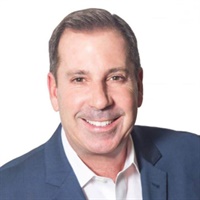
Dr. Mark Sanna
Sponsored by Breakthrough Coaching

Dr. Dan Murphy
Sponsored by
Nutriwest NY
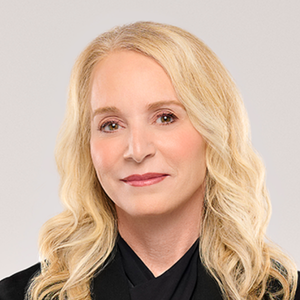
Dr. Christine Foss
Sponsored by
Foot Levelers
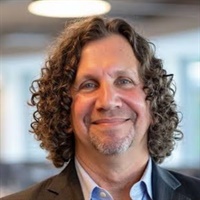
Dr. Jay Greenstein
Sponsored by
NCMIC
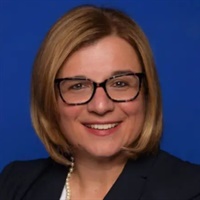
Dr. Kristina Petrocco-Napuli
Sponsored by NCMIC
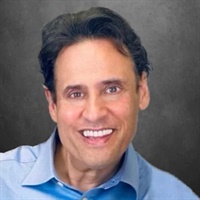
Dr. Robert Silverman
Sponsored by
Erchonia
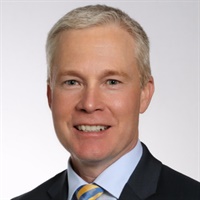
Dr. Tim Bertelsman
Sponsored by
ChiroUp
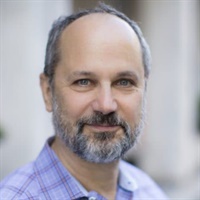
Dr. Andrew Strauss
Sponsored by The CLEAR Scoliosis Institute
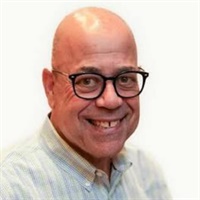
Harlan Pyes
Sponsored by Harlan Health Products
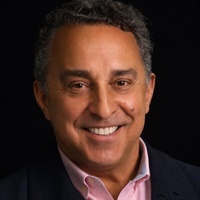
Perry Kamel
Sponsored by
DNA Vibe
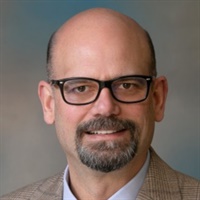
Dr. Michael Mestan
Sponsored by Northeast College of Health Sciences
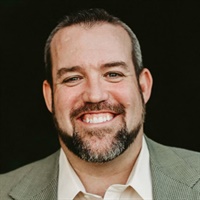
Dr. Bharon Hoag
Sponsored by ChiroHealthUSA
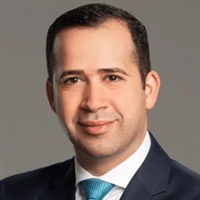
Saleem Musallam
Sponsored by
Excite Medical
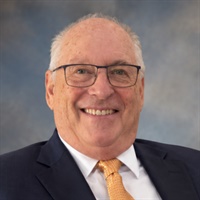
Dr. Daniel Drubin
Sponsored by 4th Dimension Mgmt Corp
TWO TRACKS. YOUR WEEKEND.
Track 1 - Friday PM
2:00pm - 4:00pm - Documentation & Coding
Coding Ninja Secrets: The Hidden Diagnosis, E/M, Modifier and Medicare Errors Costing Your Practice
Presented by Dr. Mark Sanna
Sponsored by Breakthrough Coaching
Most chiropractic practices aren't losing money on the care they deliver. They're losing it on the claim. In this highenergy session, a practice management coach shows doctors and chiropractic assistants how to build claims that get paid the first time: tissue-specific diagnoses that tell the patient's story, E/M levels that match the work, modifiers that prevent bundling denials, and Medicare billing that holds up in an audit. You'll learn the ten costliest coding errors, the free-service traps that create compliance risk, how multiple procedure payment reductions work, and Coding Ninja Secrets the average coder misses.
By the end of this course, participants will be able to:
- Write a tissue-specific, four-level ICD-10-CM diagnosis (neurologic, structural, functional and soft tissue or pain), sequenced correctly for Medicare, commercial, auto and workers’ compensation claims.
- Choose the correct E/M level by medical decision making or total time, and determine when an E/M is separately
reportable with CMT using modifier 25. - Apply modifiers 25, 59, XS, GP, AT, GA, GZ and GY correctly, and calculate timed-code units under the 8-minute and
midpoint rules. - Identify the free-service, copay-waiver and gift practices that create compliance risk, and explain how multiple
procedure payment reductions affect same-day therapy payments. - Recognize the 10 costliest coding errors and apply at least five Coding Ninja Secrets to the next day’s claims.
4:00pm - 6:00pm - Integrative Practice
Integrative Practice National Update: The Dos and Don’ts of Integrative Practice
Presented by Dr. Mark Sanna
Sponsored by Breakthrough Coaching
This Continuing Education course examines the clinical, legal, operational, and financial considerations involved in building and managing an integrative practice. Participants will review collaborative care models, compliant corporate structures, provider roles, billing safeguards, credentialing, coordinated care protocols, and compliance programs. The course also explores clinical service opportunities and planning for sustainable growth and practice transition.
Learning Objectives:
- Compare chiropractic-only, medical-only, and integrative models and explain how coordinated care can benefit patients and the practice.
- Identify legal, staffing, billing, documentation, credentialing, and compliance requirements that reduce multidisciplinary practice risk.
- Evaluate clinical services, revenue opportunities, financial considerations, and succession strategies for responsible practice growth.
Track 2 - Friday PM
2:00pm - 3:00pm - Red Light Therapy
Presented by Perry Kamel
Sponsored by DNA Vibe
Course description coming soon!
3:00pm - 4:00pm - Shockwave Therapy
Shockwave Therapy: An Introduction to the Latest in Soft Tissue Therapy
Presented by Harlan Pyes
Sponsored by Harlan Health Products
Shockwave therapy has been quickly gaining popularity among Chiropractors, Physical Therapists, and Medical professionals, that treat soft tissue injuries. Attendees will get a brief look at the history of Shockwave, indication, contraindication, treatment protocols, and practical applications of Shockwave Therapy.
If you are currently using Shockwave Therapy in your practice, you will gain some ideas to help you utilize it more effectively. If you are thinking about adding Shockwave Therapy to your practice, you will learn the questions to ask about Shockwave Therapy.
If you don’t want to incorporate Shockwave Therapy into your practice, you will gain some insight about Shockwave to communicate with those that do.
4:00pm - 6:00pm - Low Level Laser Therapy
Cracking The Code: The Link Connecting Non-Thermal-laser, Longevity, and Healthspan
Presented by Dr. Robert Silverman
Sponsored by Erchonia
Join Dr. Robert Silverman for an incisive presentation on the year's topic – longevity. In this dynamic 2-hour seminar, he will lead you through the latest developments in the functional chiropractic approach and non-thermal laser applications to extend longevity and healthspan. You’ll learn all NEW protocols to provide personalized healthcare for your patients. Dr. Silverman’s science-based protocols are designed to help patients achieve and maintain high human performance across all life stages.
As we age, a key component of longevity is a robust immune system. This seminar will emphasize the pathways that connect the immune system, longevity, and healthspan, and explain how they can be modified and strengthened through lifestyle changes, inflammation reduction, and targeted supplementation.
Dr. Silverman will also discuss the significance of repairing the gut and brain barriers and restoring the proper function of the gut-brain axis. This new paradigm may reduce brain and systemic inflammation, help slow neurodegeneration, and restore a balanced gut microbiome. An additional seminar focus will be discussing non-thermal laser therapy and its effects on neurodegenerative conditions.
Practical applications from this illuminating presentation will give you insight into a comprehensive methodology that incorporates proven practices into a clinically integrated system you can apply to your practice immediately.
Key clinical takeaways:
- Elucidate the pathways that link immunity, longevity, and healthspan.
- Explore new laser research and its clinical applicability.
- Identify how non-thermal laser can support longevity, healthspan, and vitality.
- Apply neurodynamic tests and corrective laser protocols.
- Strategies to initiate the positive impact of gut health on the musculoskeletal system.
Friday PM Bonus Session ★ 4:00pm - 6:00pm ★
The Team-Led Practice: Empowering Your Staff to Lead the Patient Care Journey
Presented by Dr. Bharon Hoag
Sponsored by ChiroHealthUSA
Learning objectives
Upon completion, participants will be able to:
- Map the seven stages of the patient management cycle and assign a clear owner to every patient touchpoint.
- Define role boundaries between doctor and team, distinguishing clinical recommendations (doctor only) from reinforcement, education, and scheduling (team-led), consistent with New York scope and documentation requirements.
- Apply a structured communication framework that equips team members to explain care plans, re-examinations, and financial options in patient-centered language.
- Implement a daily huddle and key-metric system that builds shared ownership of retention, visit completion, and care plan acceptance.
- Develop a 90-day plan to train, role-play, measure, and recognize team performance.
Most practices lose patients not in the adjusting room but in the moments between visits: the phone call, the front desk, the missed re-exam. This session shows doctors how to turn their team from task-completers into trained, accountable leaders of the patient experience, who reinforce the doctor's recommendations and communicate the necessity of care with clarity and confidence. Presented by Dr. Bharon Hoag and generously sponsored by ChiroHealthUSA.
Track 1 - Saturday AM
8:00am - 9:00am - Risk Management
Presented by Saleem Musallam
Sponsored by Excite Medical
Course description coming soon!
9:00am - 10:00am - The State of Chiropractic Education
The State of Chiropractic Education: Context, Change, and the Path Forward
Presented by Dr. Michael Mestan
Sponsored by Northeast College of Health Sciences
Chiropractic education has changed forms several times, from proprietary schools to not-for-profit colleges to programs within universities. This session traces that history, explains the organizations that govern chiropractic education and licensure, and examines the accreditation, examination, and financial pressures that shape every program. It reviews emerging program models, the history of accountability in higher education, and the 2025 federal changes to student borrowing, repayment, and program earnings standards. It closes with the role of reimbursement and professional advocacy in graduates’ earnings, and the shared work of colleges, associations, and practitioners.
Learning objectives
At the conclusion of this session, participants will be able to:
- Trace the development of chiropractic education in the United States, from proprietary schools to university-based programs.
- Describe the roles of the organizations that govern chiropractic education and licensure, including the effect of CCE’s change in federal recognition on New York licensure.
- Explain how accreditation, examination, and licensure standards shape chiropractic curricula and limit how new program models can innovate.
- Describe the tuition-dependent business model of chiropractic colleges and the program models emerging in response.
- Summarize the 2025 federal changes to student borrowing, repayment, and program earnings standards, and explain how reimbursement and professional advocacy influence graduates’ earnings.
10:00am - 12:00pm - Evidence-Based Practice
Evidence-Based Best Practices: Real-World Strategies You Can Use Monday
Presented by Dr. Tim Bertelsman
Sponsored by ChiroUp
This fast-paced and entertaining presentation will cover what the past 24 months of literature have revealed about best practice management for the most common clinical presentations. This presentation will demonstrate the essential skills for successfully managing the most common MSK complaints. This workshop will review current best practices for evaluating, treating, and directing simple in-office or home-based rehab. Attendees will leave this class with up-to-date knowledge and a greater understanding of managing the most common presenting problems.
Course Learning Objectives
- Evaluate the safety and efficacy of conservative chiropractic management based on recent research.
- Identify commonly overlooked sources of low back pain through focused clinical assessment.
- Apply evidence-based evaluation and management strategies for rotator cuff disorders, carpal tunnel syndrome, and plantar fasciitis.
- Improve patient outcomes through appropriate treatment selection, home exercise, and activity advice.
Track 2 - Saturday AM
8:00am - 10:00am - Chiropractic Philosophy
Principled and Positioned: Chiropractic Philosophy in a Restructuring Healthcare System
Presented by Dr. Bharon Hoag
Sponsored by ChiroHealthUSA
Healthcare is shifting from paying for procedures to paying for outcomes, and musculoskeletal care is one of its largest targets. This session argues that chiropractic's philosophy, a whole-person, non-drug, nervous-system-centered model, is a strategic asset in that shift, but only if the profession can articulate it in language that patients, payers, physicians, and policymakers understand, and only if it acts with one voice.
Learning objectives Upon completion, participants will be able to:
- Articulate the foundational principles of chiropractic philosophy, including the body's capacity for self-regulation and the central role of the nervous system, and how their expression has evolved since 1895.
- Explain current neuroscience research on how chiropractic adjustments influence central nervous system function and sensorimotor integration and translate it into credible language for patients and stakeholders.
- Analyze the forces restructuring healthcare, including value-based payment, payer musculoskeletal programs, Medicare reform, and state scope battles, and their implications for chiropractic practice.
- Evaluate strategic positioning options for individual practices and the profession that strengthens market relevance without abandoning philosophical identity.
- Commit to specific advocacy and professional unity actions at the state and national level.
10:00am - 12:00pm - Chiropractic Pediatrics
Growing Pains and Beyond: A Whole-Person Approach to Adolescent Chiropractic Care
Presented by Dr. Kristina Petrocco-Napuli
Sponsored by NCMIC
Adolescents are not simply small adults. Rapid skeletal growth, hormonal change, sport specialization, heavy screen use, poor sleep, and academic and social stress all shape how pain presents and how it should be managed.
This course will provide practitioners an evidence-informed framework for evaluating and caring for this patient population. Developmental factors that influence musculoskeletal health, common adolescent pain presentations, and the biopsychosocial contributors to acute and persistent pain will be discussed.
The course emphasizes combining manual care with wellness strategies, including activity, sleep, nutrition, and stress management, and explains how to communicate effectively with adolescents and their parents or guardians. Participants will also discuss red flags, mental health concerns, and situations that call for referral or co-management
Learning Objectives:
- Describe the physical, hormonal, and psychosocial changes of adolescence and explain how they affect musculoskeletal health and pain presentation.
- Identify common adolescent musculoskeletal conditions, such as growth-related apophyseal injuries, overuse injuries, and adolescent idiopathic scoliosis, and distinguish them from adult presentations.
- Discuss a biopsychosocial model to assess acute and persistent pain in adolescents, including the roles of sleep, stress, screen use, and sport specialization.
- Recognize red flags and indicators for referral or co-management, including serious pathology, concussion, eating disorders, and mental health concerns.
- Select and modify examination and treatment approaches, including manual therapy, exercise, and patient education, that are appropriate for adolescent patients.
- Develop wellness-focused care plans that address activity, nutrition, sleep, and stress management alongside pain treatment.
- Demonstrate effective communication, informed consent, and shared decision-making strategies when working with adolescents and their parents or guardians.
Track 1 - Saturday PM
2:00pm - 4:00pm - Nutrition
Integrating Fatty Acid Ratios, Resolvins, Protectins, and the Central Role of the Macrophage
Presented by Dr. Dan Murphy
Sponsored by Nutriwest NY
All chronic disease processed have an inflammatory profile. The objective of this course is to understand the primary inflammatory chemicals and how they can be mitigated through innate nutrition, supplements, and exercise.
Learning Objectives
- Understand the difference between the innate and the adaptative immune response.
- Understand the similarities between the macrophage and the microglial cells.
- Understand the difference between the M1 and the M2 macrophage/ microglial phenotypes.
- Understand the importance of fatty acid ratios.
- Understand the role of resolvins and protectins in influencing the systemic inflammatory profile.
4:00pm - 6:00pm - Chiropractic Practice
The Patient-Centric Practice
Presented by Dr. Daniel Drubin
Sponsored by 4th Dimension Management Corporation
Explore effective patient communication and education strategies that build trust, strengthen the doctor-patient relationship, and support informed decision-making. This course examines approaches to communicating the benefits of chiropractic care, establishing appropriate treatment expectations, and encouraging patient engagement and continuity of care based on individual clinical needs.
Track 2 - Saturday PM
2:00pm - 4:00pm - Women's Health
Chiropractic Care Across the Female Lifespan: Wellness, Pain, and Treatment Planning
Presented by Dr. Kristina Petrocco-Napuli
Sponsored by NCMIC
This session examines the female physiological journey across the lifespan, with attention to how biomechanical factors and societal influences shape the diagnosis and treatment of female patients. It reviews the conditions most commonly encountered in chiropractic practice, including pelvic floor dysfunction, chronic pelvic pain, dysmenorrhea, perimenopause, and menopausal symptoms.
The session also addresses the chronicity of pain and its associated symptoms, and how these factors may influence chiropractic treatment plans and protocols for female patients
Learning Objectives:
- Discuss the impact of female biomechanics on pain and wellness.
- Summarize the conditions related to females and pain.
- Discuss treatment options which can impact the care of female patients.
- Discuss the responsibility of providers in the care of female patients.
4:00pm - 6:00pm - Sports Injury Assessment
Tackling the Top Ten: Sports Injuries from Sideline Assessment to Full-Speed Rehab
Presented by Dr. Christine Foss
Sponsored by Foot Levelers
A small group of injuries fills most sports medicine schedules. Managing them well is what builds a practice's reputation with athletes, parents, and coaches. This fast-paced 2-hour lecture covers the ten most common sports injuries seen in chiropractic practice and walks through each one from initial evaluation to full return to sport.
For each injury, participants will review the mechanism, the key history findings, and the highest-yield examination tests. They will also learn the red flags that call for imaging or referral, and a phase-based rehabilitation plan built on tissue healing timelines and progressive loading. The course closes with objective return-to-play criteria and documentation tips. Attendees leave with a practical, evidence-informed playbook they can use with their next athlete.
Learning objectives
- Identify the mechanism of injury and key history findings for the ten most common sports injuries seen in chiropractic practice.
- Select and interpret the highest-yield orthopedic and functional tests for each injury to reach an accurate working diagnosis.
- Recognize red flags and clinical findings that warrant imaging, co-management, or specialist referral.
- Design phase-based rehabilitation programs that progress from protection to performance using tissue healing timelines and load-management principles.
- Apply objective return-to-play criteria and documentation that support safe clearance decisions.
Track 1 - Sunday AM
8:00am - 10:00am - The AI-Powered Practice (part 1)
The AI Powered Practice: Adapt, Adopt, Advance (part 1)
Presented by Dr. Jay Greenstein
Sponsored by NCMIC
In today’s rapidly evolving healthcare landscape, chiropractors must harness both real and artificial intelligence to drive smarter decisions, enhance patient outcomes, and grow their practices.
This course explores how AI (generative and agentic) and behavioral economics intersect to optimize patient engagement, improve adherence, and streamline business operations. Attendees will learn practical, ethical, and profitable ways to integrate AI-powered tools and behavioral science strategies, ensuring smarter, more effective chiropractic success.
Learning Objectives:
- Distinguish Between Real and Artificial Intelligence – Understand the difference between human intelligence, generative AI, and agentic AI, and how each can impact decision-making in a chiropractic practice.
- Apply Behavioral Economics to Drive Patient Success – Learn how cognitive biases and decision science can influence patient adherence, referrals, and cash-based service adoption.
10:00am - 12:00pm - The AI-Powered Practice (part 2)
The AI Powered Practice: Adapt, Adopt, Advance (part 1)
Presented by Dr. Jay Greenstein
Sponsored by NCMIC
In today’s rapidly evolving healthcare landscape, chiropractors must harness both real and artificial intelligence to drive smarter decisions, enhance patient outcomes, and grow their practices.
This course explores how AI (generative and agentic) and behavioral economics intersect to optimize patient engagement, improve adherence, and streamline business operations. Attendees will learn practical, ethical, and profitable ways to integrate AI-powered tools and behavioral science strategies, ensuring smarter, more effective chiropractic success.
Learning Objectives:
- Leverage AI for Smarter Patient Engagement – Discover how AI-powered automation can improve communication, reduce no-shows, and increase treatment plan adherence rates, thus improving clinical outcomes.
- Make Smarter Business Decisions with AI & Behavioral Science – Learn how AI-driven insights and behavioral nudges can optimize workflows and improve patient lifetime value.
- Avoid What’s Not Smart: AI Pitfalls & Ethical Considerations – Identify common AI mistakes, biases, and ethical concerns to ensure technology enhances—rather than replaces—human intelligence in chiropractic care.
Track 2 - Sunday AM
8:00am - 10:00am - Adult Scoliosis
Adult Scoliosis in the Non-Specialist Office: Recognize, Red-Flag, Refer and Co-Manage
Presented by Dr. Andrew Strauss
Sponsored by the CLEAR Scoliosis Institute
Scoliosis is common in older adults, and most of these patients first present to a general practitioner with back or leg pain rather than to a scoliosis specialist. This course gives chiropractors a practical framework for recognizing adult scoliosis, screening for it without in-office radiography, and deciding what to order, what to treat and when to refer.
Participants will learn the two main adult presentations, adolescent scoliosis carried into adulthood and new-onset (de novo) degenerative scoliosis, along with their natural history and the radiographic features most linked to pain and disability. The course covers clinical screening, appropriate imaging, and the red flags that call for urgent or routine referral, including when a child or teen in the practice needs prompt referral during growth.
The final portion reviews the evidence for treatment. Bracing and physiotherapeutic scoliosis-specific exercise (PSSE) are the evidence-based standard for progressive curves during growth. The course then appraises the more limited evidence for conservative and surgical care in adults. Participants leave with a safe in-office management plan and a co-management pathway for working with scoliosis specialists and spine surgeons.
Learning objectives
At the end of this course, participants will be able to:
- Differentiate adolescent scoliosis in adults from de novo degenerative scoliosis, and explain how prevalence rises with age.
- Describe the natural history of adult scoliosis, including typical progression rates, the effect of menopause, the degenerative mechanisms that drive progression, and radiographic predictors of progression.
- Identify the radiographic and postural features most associated with pain and disability, including sagittal and coronal imbalance, and explain why Cobb angle correlates poorly with pain.
- Perform a clinical scoliosis screen in an office without radiography, and select the appropriate imaging for a suspected adult scoliosis.
- Recognize red flags in adults and children with scoliosis and assign the appropriate referral urgency.
- Summarize the evidence supporting bracing and PSSE as the standard of care during growth, appraise the current evidence for conservative and surgical care in adults, and apply a safe in-office management and co-management plan.
10:00am -12:00pm - Kinetic Chain
Unpeel to Unleash: Kinetic Chain Secrets for Peak Athletic Performance
Presented by Dr. Christine Foss
Sponsored by Foot Levelers
Performance is a team effort inside the body. Power generated at the ground must travel through the ankle, knee, hip, pelvis, trunk, and shoulder before it reaches the ball, the racquet, or the finish line. When one link leaks energy, the athlete loses speed and power, and the links around it absorb extra load until something breaks down. This 2-hour lecture shows chiropractors how to find those weak links and fix them before they cost the athlete performance or time on the field.
Participants will learn the "kinetic chain unpeeling" approach: a layered assessment that starts where the athlete feels the problem and works outward through regional and global links to find the true driver. The course covers the deep stabilizing and myofascial sling systems, load transfer across the body, and the role of breathing and trunk control in force production. Practical functional screens, gait and running observations, and sport-specific movement tests are demonstrated. The second hour turns findings into targeted corrective and performance programs for running, throwing, jumping, and racquet athletes.
Learning objectives
- Describe the kinetic chain models, deep stabilizing subsystem, and myofascial sling systems that transfer force between the lower extremity, pelvis, trunk, and upper extremity.
- Perform a layered kinetic chain "unpeeling" assessment that moves from the local complaint to remote contributing links to identify the primary performance limiter.
- Use functional screens and gait and running observations to distinguish mobility, stability, and motor-control deficits.
- Explain how breathing mechanics and trunk control contribute to force production and energy transfer in sport.
- Design targeted corrective and performance programs that restore the weak link and integrate it into sport-specific movement.
IMPORTANT EVENT INFORMATION
CE Approval & State Eligibility
License Renewal: Continuing education credit (CE) is provided by Northeast College of Health Sciences. Pending for NY, FL. Pre-Approved: CO, CT, DE, DC, ID, IL, IN, IA, MA, MD, MS*, MT, NC, NE, ND, NH, NJ (DC only), OH, OR, RI, SC, UT, VT, VA, WA, WY, Puerto Rico, Canadian Provinces (except AB); *Does not accept online
This seminar is valid for CE credits in "pre-approved" states, so long as it falls within the scope of practice as outlined by the corresponding state board. It remains attendees' responsibility to contact the state board(s) from which they seek continuing education credits for purposes of ensuring said board(s) approves both the delivery method and content as they relate to this event.
Neither a speaker's or exhibitor's presence at said event, nor product mention or display, shall in any way constitute Northeast College endorsement. Northeast College's role is strictly limited to processing, submitting, and archiving program documents on behalf of course sponsors.
Registration Deadlines & Pricing
Registrations: Early registrations must be received with payment by 01/02/2027. Afterward, standard pricing will apply.
At-the-door pricing will apply for all online registrations completed after 03/20/2027.
FAXED REGISTRATIONS WILL NOT BE ACCEPTED.
Pricing Notice: To qualify for member pricing, your membership must be active and current.
Members who have been licensed in New York for fewer than two years, student members, full time chiropractic college faculty, or members in practice over 50 years may qualify for additional discounts.
Please contact our administrative office for more details.
Cancellation Policy
All cancellation and refund requests must be submitted in writing to info@nysca.com.
Refunds will be issued using the original form of payment and are subject to the following:
-
Requests received more than one week before the event are subject to a 15 percent processing fee. Postage fees are non-refundable.
-
Cancellations within one week of the event, but before notes are emailed, incur a $50 administrative fee for 12 to 16-hour programs.
-
Cancellations within one week of the event, after notes have been emailed, including no-shows, incur a $150 processing fee for 12- to 16-hour programs.
Hotel & Accommodations
Mohegan Sun Casino & Resort
1 Mohegan Sun Blvd, Uncasville, CT 06382
Reservations can be made online or by calling 866-708-1340. Please review the event agenda for group rates and regulations.
The group rate is available until 03/11/2027. Thereafter, reservations are accepted on a space and rate availability.
Please note: Available inventory may sell out prior to cut off date.
Event Policies
The NYSCA makes every attempt to offer programs as publicized. We nevertheless reserve the right to alter and/or adjust program details, including but not limited to dates, locations, times, instructors, and presentation sources and sequences.
Please be sure to review the NYSCA Continuing Education Policies.
FREQUENTLY ASKED QUESTIONS
How do I receive CE credit?
To ensure you receive continuing education credit, you must complete the attendance form included in your registration packet and submit it before leaving the event site after your final class. Continuing education credits will then be submitted on your behalf by New York State Chiropractic Association staff.
Will course notes be provided?
Yes. During the week of the convention, participants will receive an email with instructions on how to download course notes provided by the speakers. Notes will be accessible to registered participants in your NYSCA.com account.
When will we know if the course has been approved?
The application for continuing education credit is submitted to the New York State Education Department and the review process can take a significant amount of time. We anticipate receiving full approval in the very near future.
Once official approval is granted, both the Northeast College of Health Sciences website and the New York State Chiropractic Association website will be updated promptly to reflect the approval status.
How do I get my CE transcript?
Convention courses are co sponsored through Northeast College of Health Sciences. Attendance records are processed by NYSCA administrative staff and sent to the College within 30 days following the event.
The College will email participants once transcripts are available. For co sponsored courses, CE transcripts are typically posted on the College website within 30 days after they receive the roster. Please note that it may take up to 60 days total for transcripts to become available online.
How do I exhibit?
For details on exhibiting at this or other NYSCA events, please visit the event exhibitor page of our website: www.nysca.com/event-exhibitors/
CONTACT US
518-785-6346 or INFO@NYSCA.COM